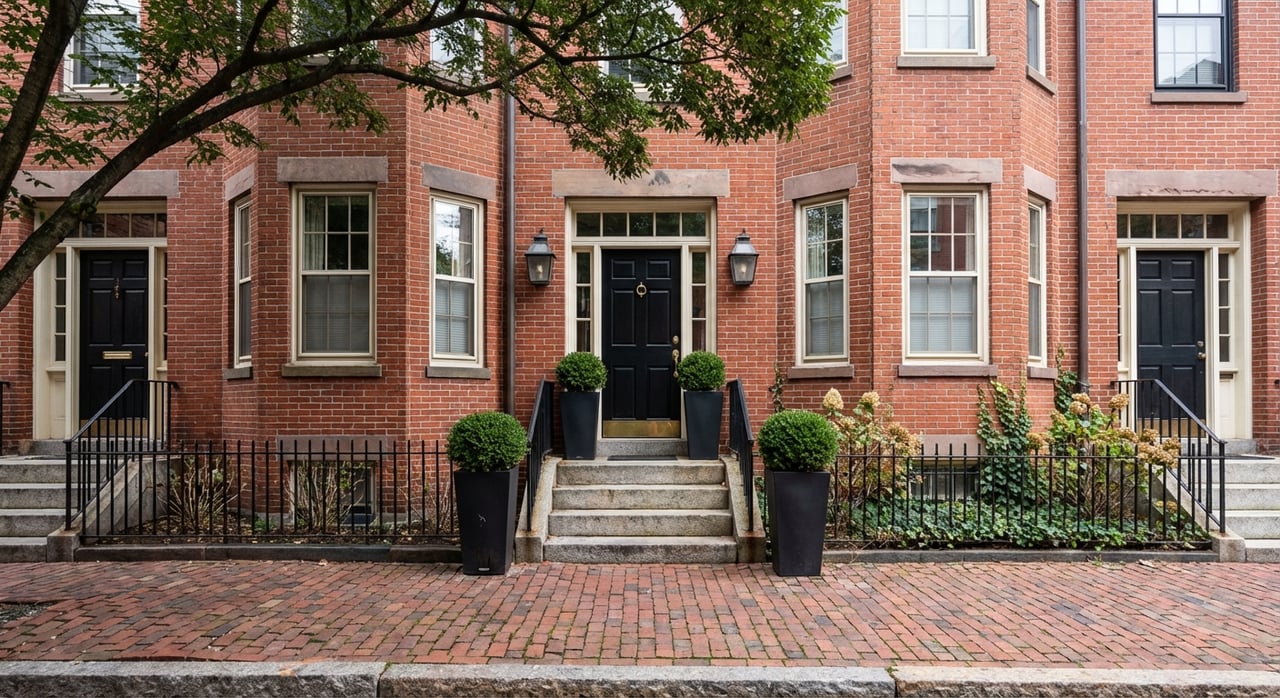
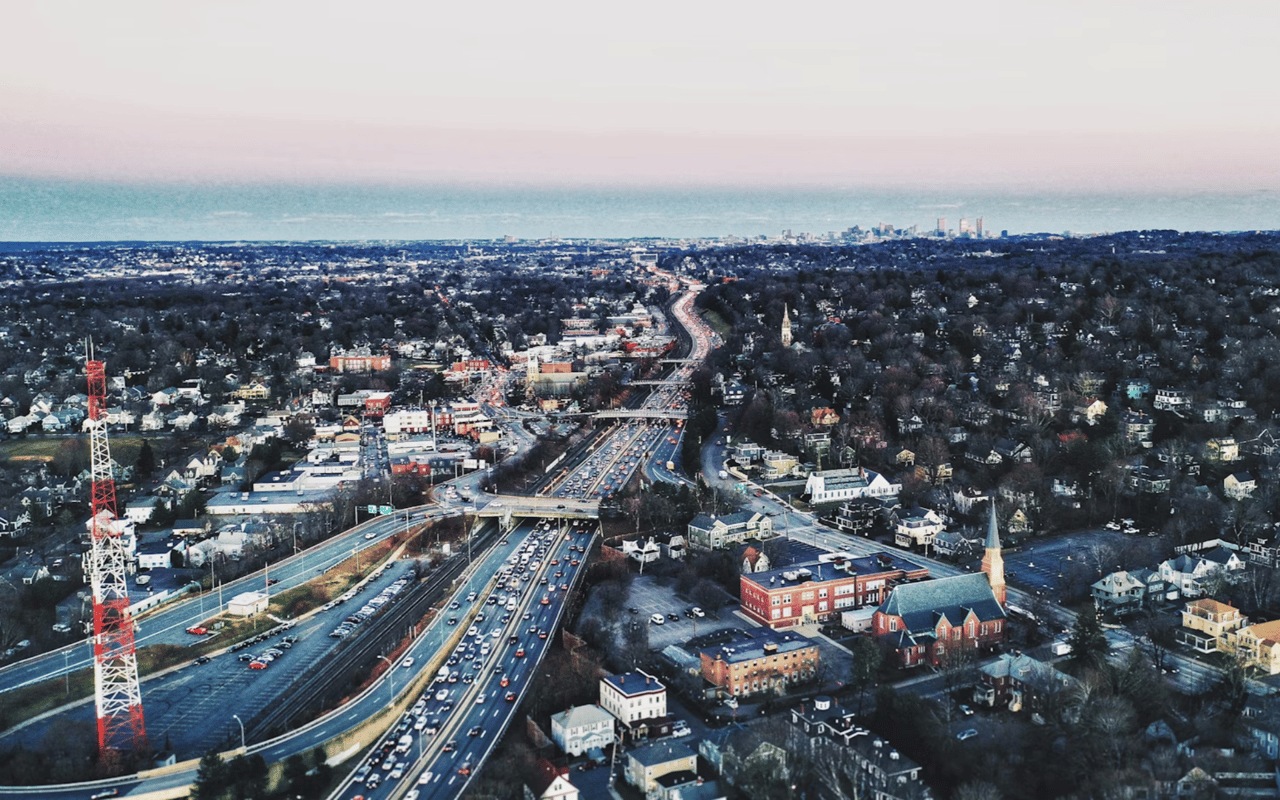
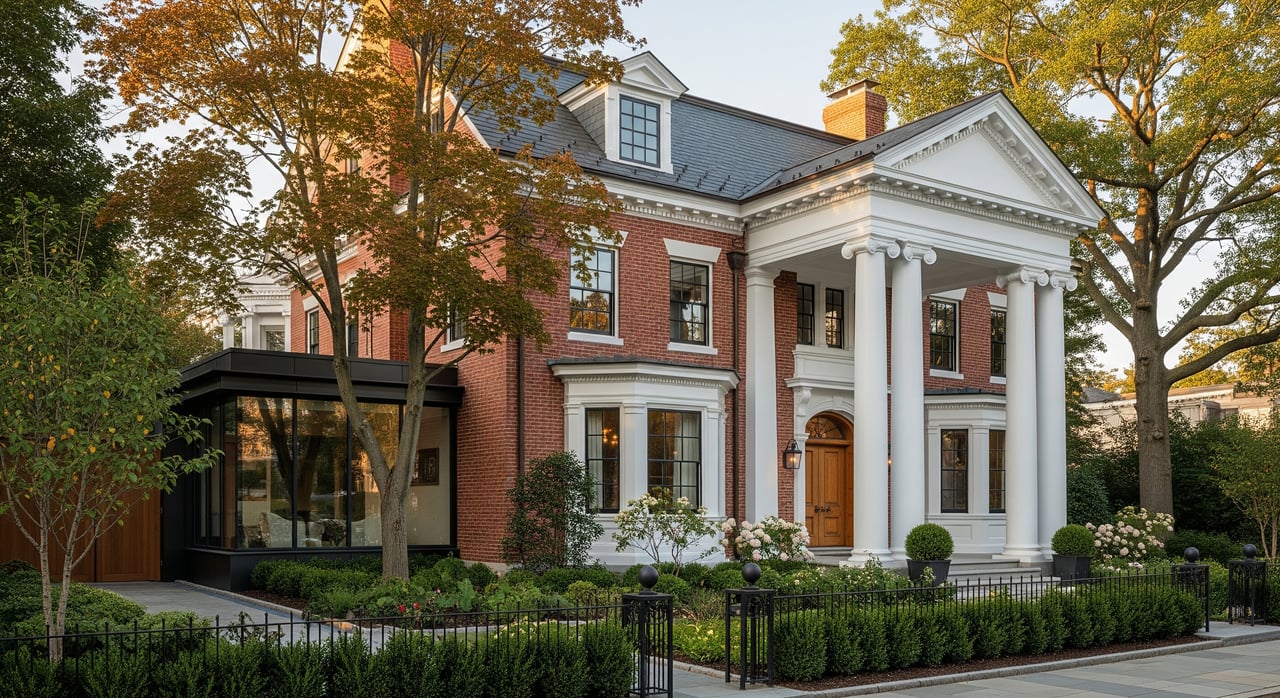
Find luxury homes for sale in Back Bay, Boston, MA, renowned for its elegant architecture and bustling commercial streets.
The Back Bay luxury home market in early 2026 remains the pinnacle of Boston’s high-end real estate, characterized by a distinct "recalibration" where buyers are increasingly selective and value-driven. While the ultra-prime segment—specifically properties priced above $5 million—continues to see robust activity from cash-rich domestic and international investors, the market has transitioned toward a more balanced state with a significant 18.7% year-over-year increase in the median listing price.
Median Luxury Sale Price
Average Price Per Square Foot
Sale-to-List Price Ratio
Active Luxury Listings
The Back Bay luxury real estate market in early 2026 is defined by its remarkable resilience and status as the primary "gravitational center" for high-end wealth in Boston. While other luxury hubs have faced oversupply, Back Bay remains firmly in a seller's territory due to its finite inventory of iconic Victorian brownstones and exclusive full-service towers like One Dalton. As of January 2026, the market saw a significant 55.9% month-over-month surge in median sold prices, largely fueled by high-value closings in the ultra-luxury tier. This "flight to quality" underscores a trend where affluent buyers prioritize architectural pedigree and capital preservation, consistently choosing the historic charm of Commonwealth Avenue over newer, more volatile high-density districts.
Competition for prime Back Bay assets is exceptionally high, particularly for "turnkey" properties that require no additional renovation. With an inventory supply of only 2.97 months—well below the 5–6 months required for a balanced market—sellers maintain significant pricing power. The market has seen a massive 184% spike in new listings at the start of the year, signaling an early and aggressive spring market. Buyers must be decisive; while the median days on market is approximately 64 days, "hot homes" in coveted locations often receive multiple offers and go under contract within a fraction of that time, typically selling for over 96% of their asking price.
A key driver in the 2026 luxury landscape is the "normalization" of financing, with some elite buyers accessing specialized rates that have revitalized market psychology. However, the most successful transactions are increasingly driven by cash-rich buyers and those utilizing private banking solutions, making the market less sensitive to standard interest rate fluctuations. Furthermore, the "High Spine" corridor continues to command the highest price-per-square-foot in Boston, averaging roughly $2,533. A growing trend among luxury buyers is the preference for renovated historic assets over new-construction towers, driven partly by a desire to avoid the rapidly rising HOA fees associated with some of the city's newer full-service developments.
When entering the Back Bay luxury market, you aren't just buying a home; you are acquiring a legacy asset. In a neighborhood where "standard" pricing starts where most markets peak, the difference between a good investment and a generational masterpiece lies in the details.
In Back Bay, location is measured in blocks, not miles. The most important factor to consider—and the one that dictates long-term appreciation—is the specific block and "side" of the street. For example, the "Sunny Side" of Commonwealth Avenue (the north side) commands a significant premium because it receives direct sunlight throughout the winter months. Proximity to the Public Garden versus the more residential "alphabet streets" (Hereford, Gloucester, etc.) can swing valuations by hundreds of dollars per square foot.
The luxury market is split into two distinct lifestyles. Ultra-luxury towers like One Dalton or the Mandarin Oriental offer 24/7 concierge, valet, and high-tech security. Conversely, a private 25-foot wide "Grand Dame" brownstone offers unparalleled privacy and historic grandeur but requires more hands-on management.
Many high-net-worth buyers are currently pivoting back to renovated private residences to avoid the high monthly HOA fees associated with new-construction towers.
In historic luxury homes, square footage is only half the story; cubic footage is the true luxury. Parlor-level units with 12- to 14-foot ceilings, original crown molding, and floor-to-ceiling windows are the gold standard. When evaluating a luxury home, look for "uninterrupted volumes"—large, open entertaining spaces that maintain their original 19th-century proportions while integrating modern open-concept kitchens.
For multi-floor brownstones or upper-floor penthouses, a private keyed elevator that opens directly into the unit is a non-negotiable for many luxury buyers. It provides a level of security and convenience that stairs simply cannot match. If a historic home has been retrofitted with a high-speed elevator without compromising the interior floor plan, its market liquidity increases substantially.
Private outdoor space is the rarest commodity in Back Bay. A luxury home is significantly more valuable if it features a landscaped roof deck with views of the Charles River or a private, bluestone-paved garden patio.
Ensure any outdoor space has been properly permitted by the Back Bay Architectural Commission (BBAC). Colin Bayley can help you verify these permits to ensure your "private oasis" is legally protected.
At the luxury tier, one parking spot is the minimum; two or more deeded spots are the goal. In the "High Spine" luxury buildings, valet parking is standard, but in the historic district, a private garage or a heated tandem spot in a rear alley is the ultimate luxury. Parking in Back Bay is effectively "real estate for your car," often appreciating at the same rate as the home itself.
The most sophisticated luxury buyers in 2026 look behind the walls. A truly "luxury" Back Bay home must have modernized systems: multi-zone high-velocity HVAC, soundproofing between floors (critical in older buildings), and integrated smart-home systems (Lutron lighting, Savant/Control4).
Checking the age and capacity of the electrical panel is vital—historic buildings often struggle to support the power demands of modern luxury appliances and EV charging stations.
Back Bay's unique combination of historic preservation rules, micro-market pricing, and cash-dominated transactions requires local expertise you won't find on Zillow. Whether you're selling a brownstone, buying your first condo, or searching for that rare deeded parking spot, we provide the insider knowledge and strategic guidance that gets deals done in Boston's most competitive neighborhood. Contact us today for a confidential market analysis, private showing access, or answers to your specific Back Bay questions—we respond within hours, not days.
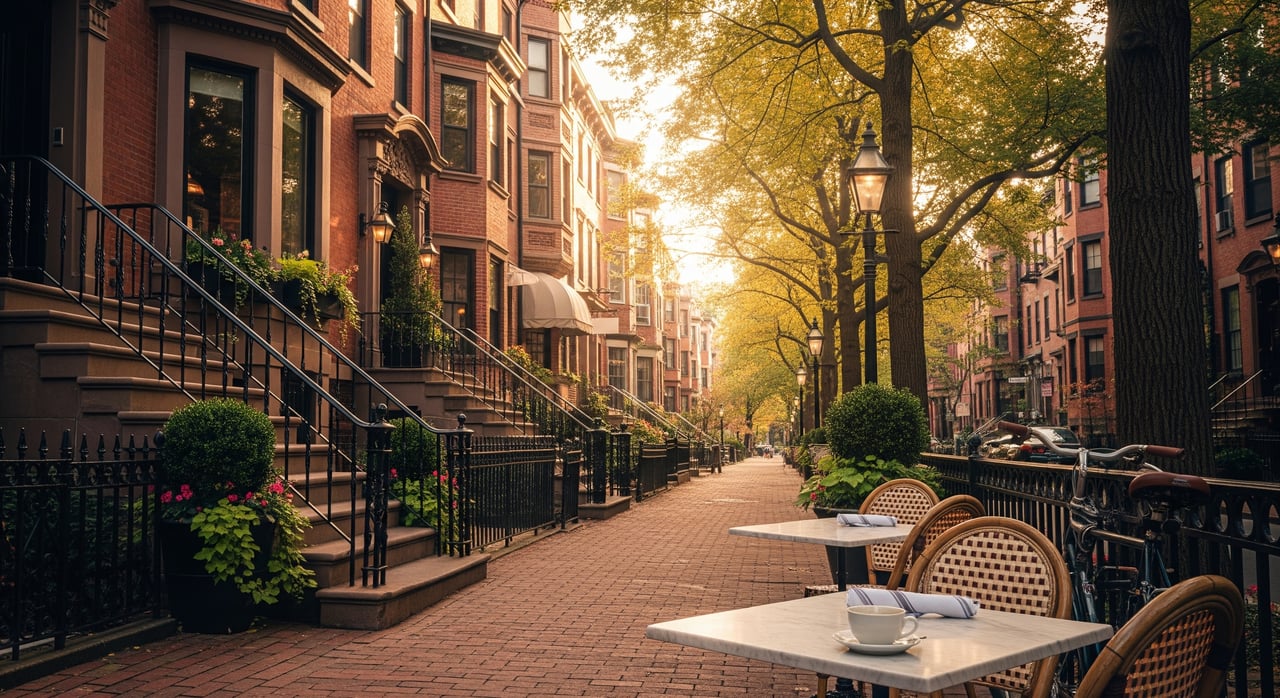
Back Bay represents Boston's pinnacle of luxury real estate, where historic brownstones and modern towers create one of the city's most competitive markets. Our comprehensive neighborhood guide breaks down current pricing, street-by-street insights, and the critical factors you need to know before buying or selling in this iconic district. Explore below to discover what makes Back Bay unique and how to navigate its complexities successfully.

Compass
126 Newbury Street
2nd Floor
Boston MA 02116
Colin Bayley