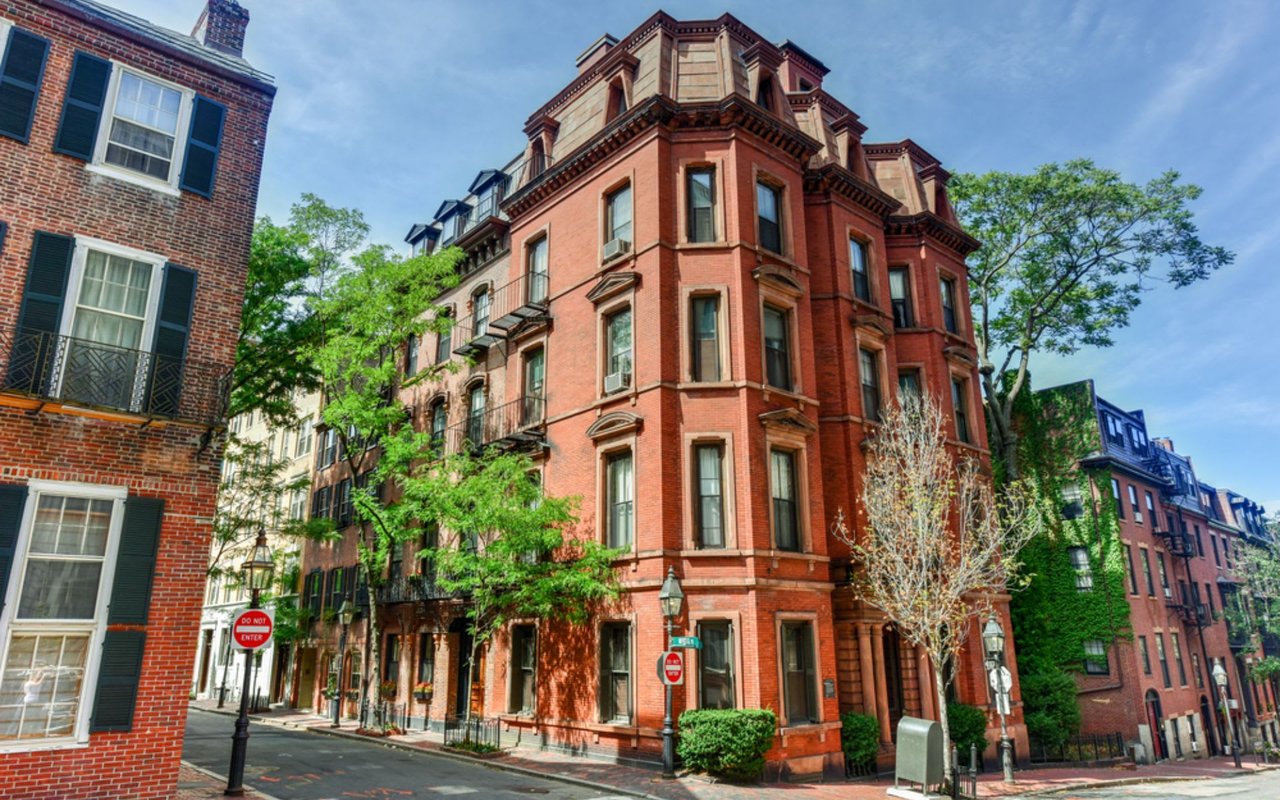
Find condos for sale in Boston, MA, known for its rich Revolutionary War history, prestigious universities like Harvard and MIT, passionate sports culture, and landmarks such as the Freedom Trail and Fenway Park.
The Boston housing market is experiencing a cooling trend that is giving buyers a bit more breathing room compared to the intense competition of previous years. While the median sale price remains highly resilient at just over $850,000—buoyed by the city's robust economy and structurally limited housing inventory—overall sales volume has seen a slight dip. Properties are staying on the market a few days longer than they did last year, and active inventory is expanding.
Median Sale Price
Median Sale Price per Sq. Ft.
Total Homes Sold
Median Days on Market
In Boston, purchasing a condo is not just a lifestyle choice; it is often the only realistic path to property ownership within the city limits. Unlike newer, sprawling metropolitan areas across the country where single-family homes are built continuously, Boston’s historic footprint and strict geographical boundaries mean single-family zoning is an extreme rarity inside the city. The few single-family homes that do exist inside city limits are overwhelmingly priced well out of reach for average buyers, frequently clearing the $1 million to $1.5 million mark. By opting for a condo, buyers can realistically establish roots in highly desirable, walkable neighborhoods like the South End, Back Bay, or East Boston at a much more accessible price point.
While single-family homes in the surrounding Massachusetts suburbs remain locked in a highly stressful cycle of fast sales and aggressive over-asking bidding wars, the Boston condo market offers a rare pocket of buyer leverage. Condo inventory across the city has become significantly more elastic, meaning properties are sitting on the market longer (often averaging 50 days or more) and frequently closing at or just below the listing price. This dynamic provides a uniquely patient buying experience that you simply cannot find on the single-family side of the state. Buyers have the luxury of time to tour a property multiple times, negotiate on price, and comfortably retain standard inspection and financing contingencies without the fear of being instantly outbid.
Buying an older single-family home in Massachusetts means inheriting the massive liability of self-funding structurally aging systems—ranging from drafty historical windows to centuries-old foundations and roofs. Boston condominiums mitigate this risk by pooling maintenance costs into a collective homeowner's association (HOA) fee. While some buyers look at condo fees as an added expense, in a historic city like Boston, they actually function as a predictable financial shield. The HOA fee distributes the steep capital expenses of maintaining historic brick facades, roofing, and central heating systems across multiple units, sparing individual owners from the sudden, multi-thousand-dollar emergency repair bills that frequently plague suburban New England homeowners.
Boston’s prime location offers the perfect balance of historic charm and modern convenience. Situated along the Massachusetts coastline, the city provides easy access to world-class amenities, cultural attractions, and career opportunities. This makes Boston homes for sale especially desirable for those who want to enjoy a vibrant city lifestyle while remaining close to parks, waterfront areas, and nearby suburban escapes.
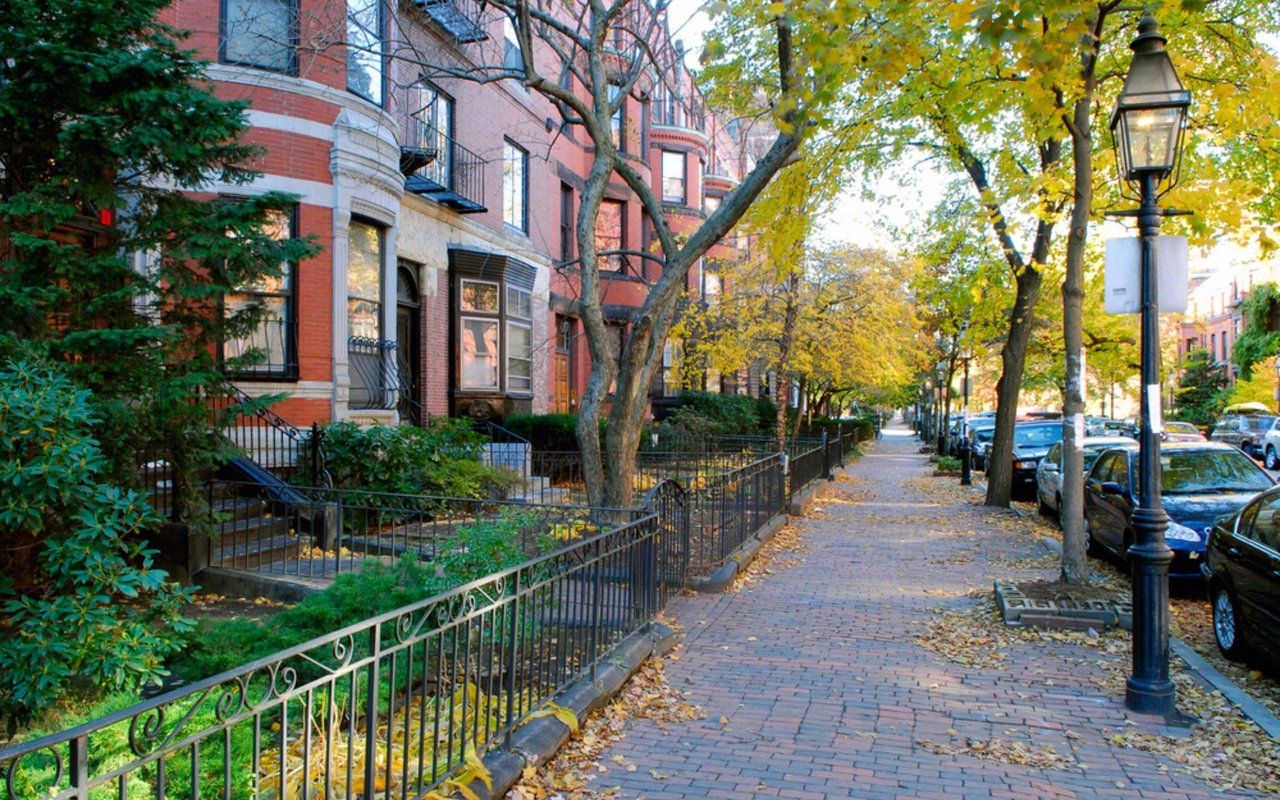
The community in Boston is known for its diversity, energy, and strong neighborhood identity. From the historic brownstones of Beacon Hill to the modern developments in the Seaport District, Boston homes for sale cater to families, professionals, and retirees alike. Each neighborhood has its own character, with local events, cultural activities, and welcoming public spaces that make Boston an appealing choice for homeowners.
Boston’s dining scene is one of the most dynamic in New England, offering everything from cozy cafes and fresh seafood to world-class fine dining. Residents searching for Boston homes for sale will enjoy access to an unmatched variety of culinary experiences across the city’s neighborhoods. The dining culture enhances Boston’s lifestyle appeal and adds to the overall charm of living here.
Boston is world-renowned for its educational excellence. Home to prestigious universities like Harvard and MIT, along with highly rated public and private schools, the city offers top-tier opportunities for students of all ages. For families exploring Boston homes for sale, access to outstanding education is a major factor that makes the city an attractive place to settle.
The housing market in Boston is diverse and competitive, featuring historic brownstones, luxury high-rise condos, single-family homes, and waterfront residences. With so many options, buyers looking for Boston homes for sale can find properties that match their lifestyle, whether they’re seeking classic architecture or modern urban living. This variety reinforces Boston’s reputation as a premier real estate destination.
Boston offers excellent transportation options, including access to major highways, commuter rails, and the MBTA subway system. These connections make Boston homes for sale particularly appealing to professionals who commute within the city or to surrounding suburbs. With Logan International Airport nearby, residents also enjoy easy access to domestic and international travel.
Whether you're buying or selling, these factors determine success in Back Bay's unique market. Contact us today to schedule a showing for active listings or receive a custom valuation of your current property with a detailed competitive market analysis.
When a condo building is classified as non-warrantable, it means the property does not meet the strict underwriting criteria set by national entities like Fannie Mae and Freddie Mac, making a conventional mortgage impossible to secure. In Boston, this usually happens if a single investor owns more than 10% to 20% of the units, if commercial space takes up too much of the building, or if owner-occupancy falls below 51%. To buy into a non-warrantable building, you will have to seek out specialized portfolio lenders who hold their own loans, which usually requires a much higher down payment and a higher interest rate.
You evaluate an association's health by analyzing their official "resale packet," which includes the budget, recent meeting minutes, and a reserve study. A healthy association should dedicate at least 10% of its annual budget toward a replacement reserve fund, and no more than 15% of the current building owners should be delinquent on their monthly fees. Reviewing the past year of meeting minutes is especially critical in Boston, as it allows you to act as a fly on the wall and spot any mentions of pending lawsuits, structural failures, or upcoming, un-budgeted building repairs.
A special assessment is a major, one-time fee charged to all condo owners when a building faces an urgent capital expense—like a failing roof or crumbling brick facade—that the existing reserve fund cannot cover. Because Boston is home to an exceptionally old housing stock, buildings that deliberately keep monthly condo fees artificially low often trigger these massive surprise bills to catch up on deferred maintenance. You can protect yourself by having a real estate attorney meticulously review the condo documents to confirm that the reserve balance matches the building’s aging infrastructure.
Condo fees vary dramatically across the city based on the building type, but at an absolute minimum, they cover the non-negotiable master building insurance policy and common area upkeep. In a classic Boston brownstone or triple-decker conversion, a fee of a few hundred dollars might only cover snow removal, water/sewer, and minor hallway cleaning. Conversely, full-service luxury towers in neighborhoods like the Seaport or Back Bay can command fees topping $1,000 per month, which scale up to fund 24/7 concierges, elevators, fitness centers, and massive central HVAC operations.
Yes, if you purchase a Boston condo and use it as your primary domicile, you are legally eligible for the city's highly generous residential tax exemption. This program essentially deducts a fixed dollar value from your property's total assessed value, which can save you up to $3,000 or more on your annual property tax bill. It is important to note that you must apply for this exemption through the city after moving in, and the savings will be applied directly to your quarterly tax payments.
A standard condo inspection generally focuses on "walls-in" components like the unit's electrical panel, plumbing fixtures, and interior appliances. However, because so many Boston condos are carved out of historic structures built before 1940, you must instruct your inspector to look closely for water infiltration along exterior masonry walls and around windows. Additionally, you should visually inspect the building's shared basement and roof spaces if accessible, as structural issues down below or up top will eventually become a shared financial liability for every owner.
Whether you're searching for a historic brownstone in Beacon Hill, a modern condo in the Seaport, or the perfect family home in the suburbs, Colin Bayley is here to guide you every step of the way. With deep local expertise and a commitment to finding the right fit for your lifestyle, Colin makes navigating the Boston market seamless. Have questions or ready to start your search? Reach out to Colin today and take the first step toward your next home.

From the cobblestone charm of Beacon Hill to the waterfront energy of the Seaport, Boston is a city of distinct neighborhoods, each with its own character and appeal. Our Boston neighborhood guide takes you inside these communities, highlighting the local landmarks, lifestyle, and hidden gems that make each one unique. Whether you're relocating, investing, or simply curious about where you'd feel most at home, start exploring below to find the neighborhood that's right for you.

Compass
126 Newbury Street
2nd Floor
Boston MA 02116
Colin Bayley