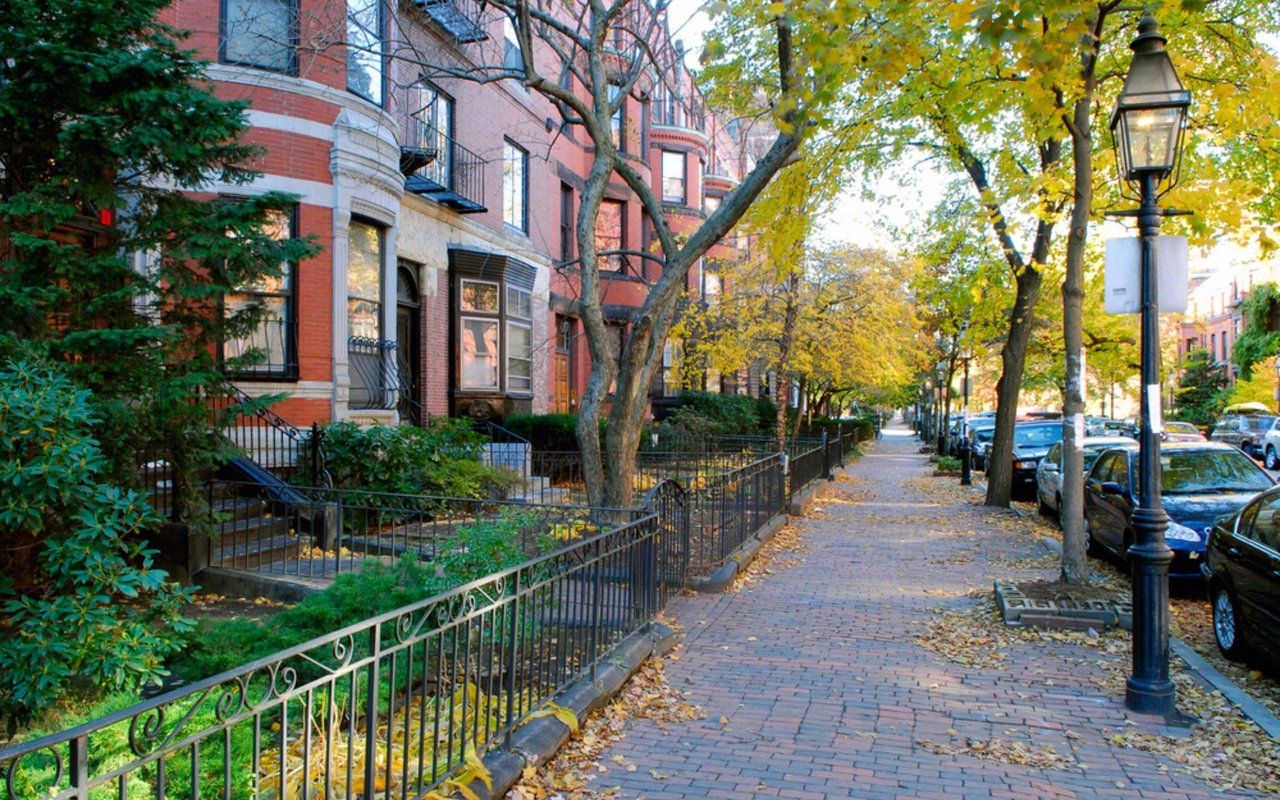
Find homes for sale in Beacon Hill, Boston, MA, renowned for its Federal-style row houses, narrow gaslit cobblestone streets, and the iconic golden-domed Massachusetts State House.
The housing market in Beacon Hill is characterized by its high barrier to entry and limited inventory, maintaining its status as one of Boston's most prestigious and expensive residential enclaves. While the market is currently seeing some price volatility due to a shift in the mix of smaller condos versus grand single-family estates being sold, demand remains consistently high for its iconic Federal-style architecture. Competition is somewhat balanced, with many properties selling slightly below list price, yet "hot" homes in prime locations like Louisburg Square or Mt. Vernon Street continue to command significant premiums and sell rapidly.
Median Sale Price
Median Sale Price per Sq. Ft.
Median Days on Market
Total Homes Sold
The Beacon Hill housing market remains one of Boston’s most exclusive and high-demand enclaves, though it is currently experiencing significant year-over-year shifts. As of early 2026, the market has seen a notable decrease in median sale prices compared to the previous year—down over 50% to approximately $1.16M—largely driven by a higher volume of smaller condominium sales and a cooling of the extreme peaks seen in 2025. Despite this drop in median price, the area maintains its premium status with a high price per square foot (roughly $1,440), reflecting the inherent value of its limited, historic inventory. The market is currently characterized by a steady but cautious pace, with inventory levels remaining tight at around 56 active listings.
Competitiveness in Beacon Hill is currently ranked as "somewhat competitive," earning a score of roughly 48 out of 100 on common market indices. While the prestige of the neighborhood ensures constant interest, the balance has shifted slightly toward a buyer's market as of February 2026, with the supply of homes occasionally outpacing immediate demand. On average, homes are selling for about 4% below the original list price, and the sale-to-list price ratio sits at approximately 95.3%. However, "hot" properties—those with modern renovations or prime locations on the South Slope—can still go pending in as little as 18 to 21 days and sell at or near the full asking price.
A key factor influencing the current market is the significant disparity between the North and South slopes of the hill. The North Slope tends to move faster, with a median of just 32 days on market, while properties on the more expensive South Slope can linger for over 120 days due to their multi-million dollar price tags and more selective buyer pool. Additionally, while the purchase market has seen some price softening, the rental market remains incredibly robust; despite a slight year-over-year dip, the median rent sits at $3,325, indicating that Beacon Hill remains a primary target for high-income professionals who prefer the flexibility of leasing in a historic district. Investors should note that while total home sales are up 13.6% year-over-year, the volatility in monthly median prices suggests that timing and specific property types (condo vs. single-family) are more critical than ever.
Acquiring property in Beacon Hill is a unique undertaking that blends high-stakes real estate with strict historic preservation and century-old engineering challenges. Here are six key factors to consider:
As a resident of the first historic district in Massachusetts, you are subject to the oversight of the Beacon Hill Architectural Commission (BHAC). This means any exterior modification visible from a public way—from the color of your front door to the material of your window panes—must be approved to ensure it aligns with Federal-style aesthetics. While this protects your property value by maintaining the neighborhood’s charm, it can significantly increase the cost and timeline of any renovations, as you are often required to use specific, historically accurate materials.
Much of the "Flat of the Hill" (the area closer to the Charles River) is built on filled land, supported by 19th-century wooden pilings. These pilings remain structurally sound only as long as they are submerged in groundwater; if water levels drop and the wood is exposed to air, it can rot and cause the building to settle or sink. Before purchasing, it is vital to check the Boston Groundwater Trust monitors and ensure the building has been recently inspected for piling health, as "underpinning" a failing foundation can cost hundreds of thousands of dollars.
There is a distinct market difference between the South Slope and the North Slope. The South Slope (facing the Common) is traditionally more prestigious, featuring grander mansions and the exclusive Louisburg Square, but these properties often stay on the market longer due to their extreme price points. The North Slope, historically more modest, is currently seeing faster appreciation and higher demand for smaller, more efficient condos and luxury developments like the Archer Residences, appealing to professionals who value proximity to Mass General Hospital and Cambridge Street.
Parking is a notorious challenge in Beacon Hill, where narrow cobblestone streets were designed for horses, not SUVs. While residents can apply for a Resident Parking Permit to park on the street for free, finding a spot can be a daily struggle, especially during snow emergencies or street sweeping. If you require a guaranteed spot, you must factor in the cost of a "deeded" parking space or a garage spot nearby, which can add anywhere from $100,000 to $400,000 to your purchase price or upwards of $500 monthly in rent.
Prospective buyers must account for a shifting tax landscape in Boston. Due to declining commercial real estate values, the city has shifted a larger tax burden onto residential owners to bridge budget gaps. In 2026, many Beacon Hill homeowners are seeing double-digit percentage increases in their property tax bills. While the "residential exemption" can provide some relief for owner-occupants, you should calculate your carrying costs based on these higher projected assessments rather than historical data.
The charm of 200-year-old brickwork comes with high maintenance requirements. Beyond the standard mortgage, you must budget for special assessments in condo buildings for items like roof repairs, masonry repointing, or updating ancient plumbing and electrical systems. In many Beacon Hill row houses, heating can be inefficient due to older windows and high ceilings; therefore, reviewing past utility bills and the health of the building’s "capital reserve fund" is essential to avoid becoming "house poor" shortly after closing.
Beacon Hill is one of Boston's most coveted neighborhoods — and navigating its market takes a local expert who knows every brick-lined street. Reach out to Colin Bayley today to get personalized guidance, explore available properties, and take the first step toward owning a piece of this iconic Boston neighborhood.
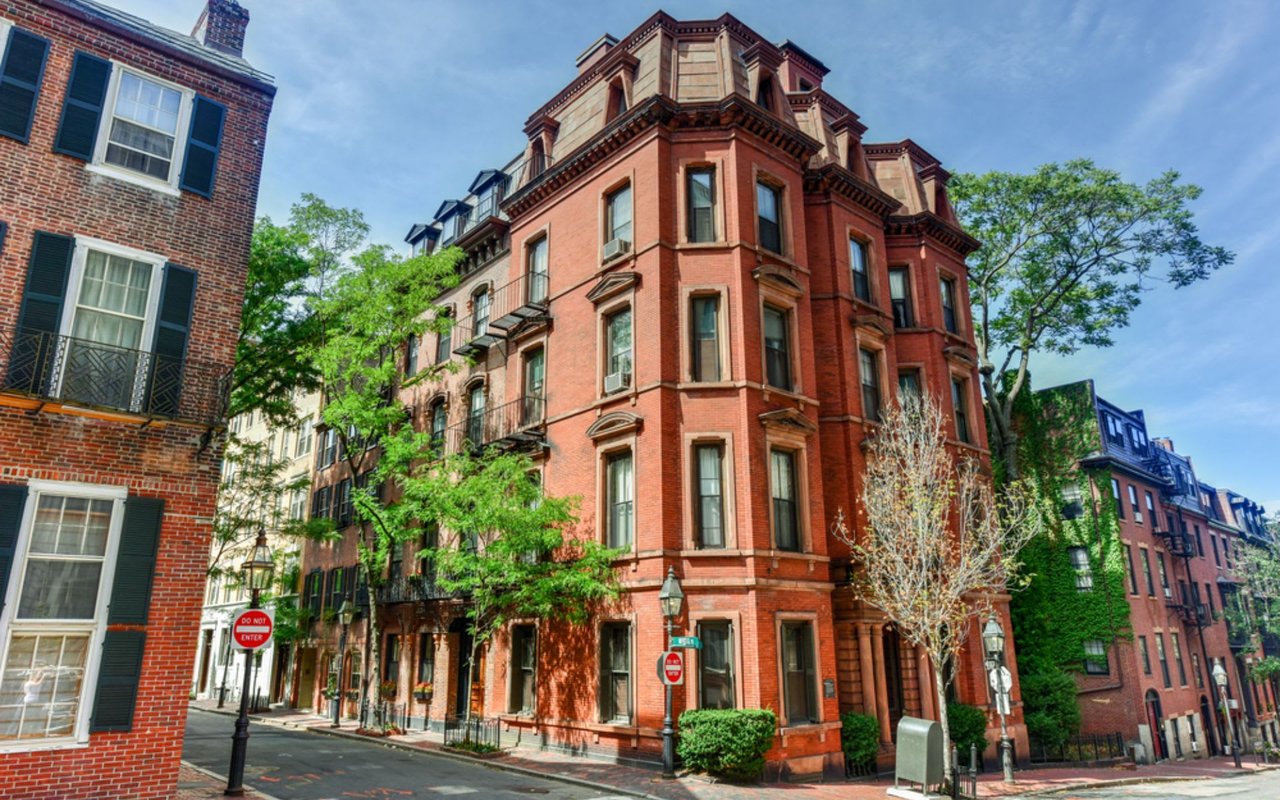
Whether you're drawn to the gas-lit streets, the historic brownstones, or the unbeatable location steps from Boston Common, Beacon Hill is a neighborhood that captivates at every turn. But finding your perfect spot here means knowing the blocks, the buildings, and the lifestyle that comes with each. Our Beacon Hill Neighborhood Guide gives you an insider's look at everything this iconic Boston neighborhood has to offer — from local dining and hidden gems to market trends and what it's really like to live here.

Compass
126 Newbury Street
2nd Floor
Boston MA 02116
Colin Bayley