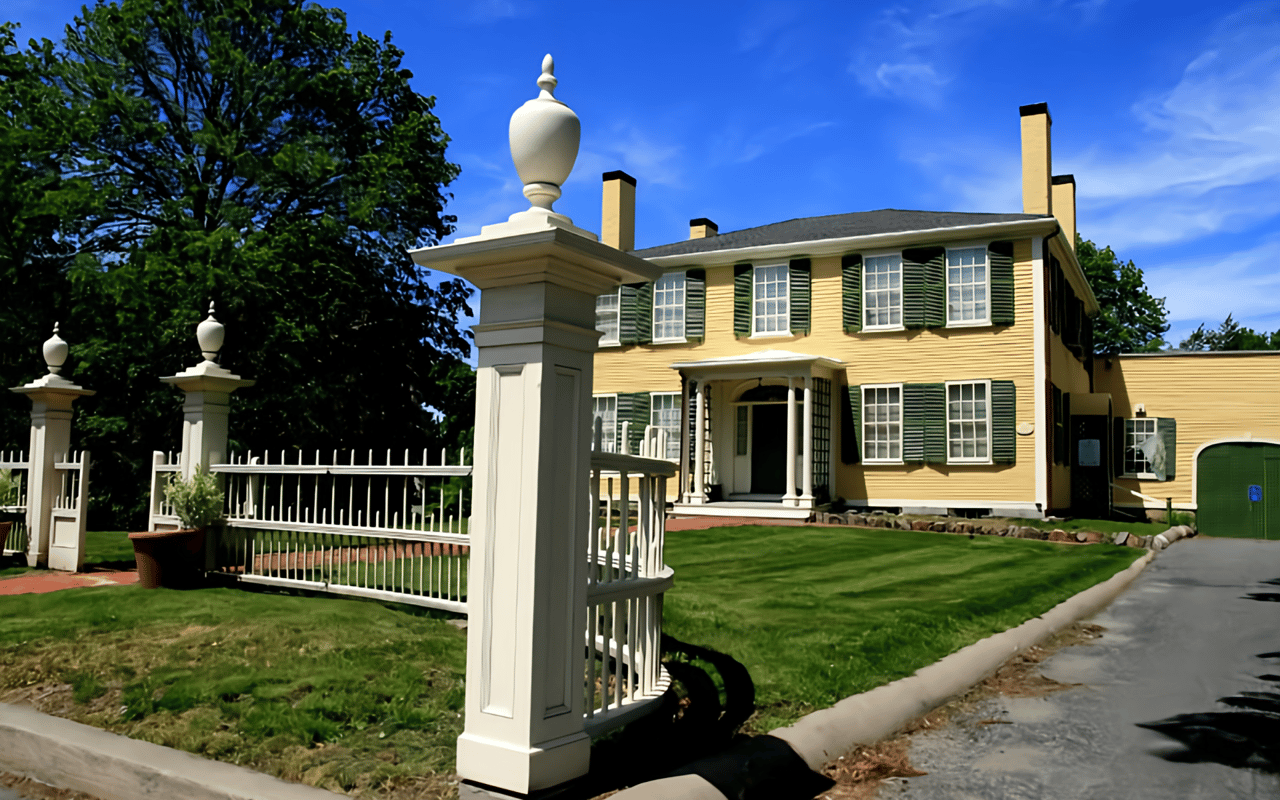
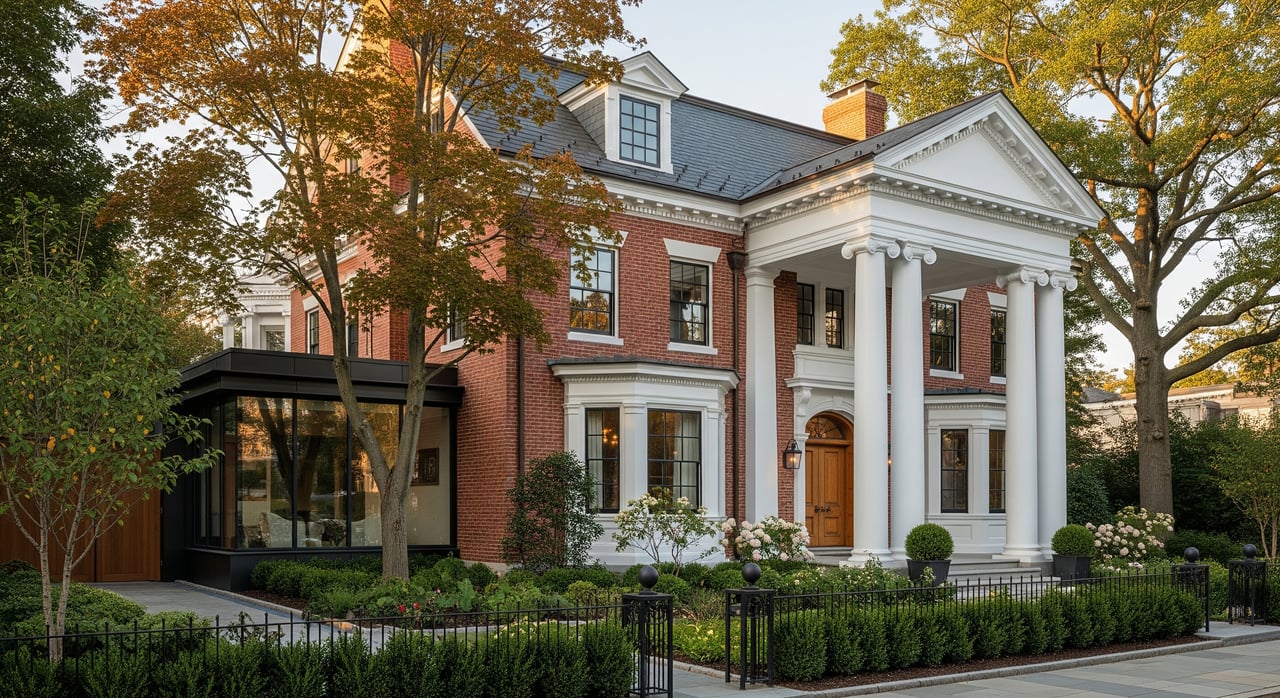
Find condos for sale in Back Bay, Boston, MA, renowned for its elegant architecture and bustling commercial streets.
The Back Bay condo market remains one of Boston's most prestigious and resilient real estate sectors, defined by its iconic Victorian brownstones and high-end luxury developments like One Dalton. As of early 2026, the market has transitioned into a "balanced" state; while inventory remains historically tight, buyers have gained slightly more leverage as interest rates stabilize and properties stay on the market longer than in previous years. Despite a modest cooling in overall sales volume, the neighborhood's status as a premier global destination ensures that well-priced, renovated units—especially in the luxury tier—continue to command significant premiums and attract steady demand from both domestic and international investors.
Median Sale Price
Median Sale Price per Sq. Ft.
Median Days on Market
Inventory Supply
The Back Bay condo market in early 2026 continues to demonstrate its characteristic resilience, firmly positioned as the gravitational center of Boston’s luxury real estate. While the broader city has seen a slight softening, Back Bay recently experienced a significant surge in median sold prices—climbing to approximately $1.84 million in January—largely driven by high-value closings in ultra-luxury developments like One Dalton and premier Commonwealth Avenue brownstones. Despite a minor year-over-year dip in total sales volume, the neighborhood remains a "strong seller's market" because inventory levels are critically tight, currently hovering at just under a three-month supply.
Competition remains intense for well-positioned properties, though the pace of the market has become more selective compared to the post-pandemic frenzy. Condos are typically spending about 55 to 64 days on the market, with the most desirable "hot homes" going under contract much faster and often fetching prices near or slightly above the asking amount. While the average sale-to-list price ratio sits at approximately 96%, the early 2026 spring market saw a massive 184% spike in new listings, suggesting that while competition for prime units is high, buyers finally have a fresh influx of options to consider before the peak summer season.
Beyond the standard pricing metrics, the 2026 Back Bay market is increasingly defined by a flight to "architectural pedigree" and modernized historic assets. Buyers are showing a distinct preference for renovated brownstones that blend 19th-century aesthetics with 21st-century infrastructure, often choosing these over newer Midtown high-rises to avoid rising monthly HOA fees found in full-service towers. Additionally, deeded parking remains one of the most significant value-drivers in the neighborhood; a single parking space in a private alley or garage can now add more to a property's market value than an equivalent amount of interior square footage, reinforcing the neighborhood's status as a high-density, high-premium enclave.
When buying a condo in Back Bay, you aren't just purchasing real estate; you are acquiring a piece of American architectural history. Navigating this market requires a balance of appreciation for 19th-century charm and 21st-century due diligence. Here are the seven most critical factors to consider when exploring condos in Back Bay:
In Back Bay, parking is the ultimate currency. Street parking is famously difficult, making deeded or assigned spots incredibly valuable. A single parking space can add $150,000 to $300,000+ to a property's value. When viewing condos, distinguish between "deeded" (you own it), "assigned" (exclusive use), and "rented" (not guaranteed). If a unit lacks parking, you must factor in monthly garage rates, which can range from $350 to $700 in local facilities.
Most of the neighborhood falls under the Back Bay Architectural Commission (BBAC). This means any exterior change—even something as minor as the color of your front door or the style of your windows—must be approved. If you’re buying a "fixer-upper" with dreams of adding a roof deck or changing the facade, these regulations can significantly impact your timeline and budget.
Back Bay is home to many "boutique" associations (2–4 units). In these smaller buildings, a single major repair, like a new roof or masonry repointing, can result in a massive special assessment if there aren't enough reserves.
Always review the last two years of meeting minutes and the current reserve fund. A "low" monthly HOA fee might actually be a red flag for deferred maintenance.
Many iconic Commonwealth Avenue and Marlborough Street brownstones are 4–5 story walk-ups. While lower floors (parlor and garden levels) offer grand ceilings and easy access, upper-floor walk-ups typically see a "climb discount" in price per square foot. Conversely, units in professionally managed elevator buildings command a premium for accessibility and long-term resale appeal.
Older Back Bay buildings often rely on centralized steam heat or older "mini-split" cooling systems.
Check if the unit has in-unit laundry and modern HVAC. Retrofitting central air into a 140-year-old brownstone is complex and expensive. Knowing who pays for the heat (the owner vs. the association) is a critical line item for your monthly budget.
Don't just look at the front of the building. In Back Bay, the Public Alleys are where the "real life" happens—it's where trash is collected, where your parking spot likely sits, and where many secondary entrances are located. The condition of the alleyway can tell you a lot about how well the neighbors and the association maintain the property.
Because of the neighborhood's grid layout and height restrictions, light is a luxury. Units facing the sunny side (typically the North side of the street) or those with views of the Charles River or the Prudential skyline trade at much higher price points. Be sure to visit a property at different times of day to see how the natural light shifts.
Back Bay's unique combination of historic preservation rules, micro-market pricing, and cash-dominated transactions requires local expertise you won't find on Zillow. Whether you're selling a brownstone, buying your first condo, or searching for that rare deeded parking spot, we provide the insider knowledge and strategic guidance that gets deals done in Boston's most competitive neighborhood. Contact us today for a confidential market analysis, private showing access, or answers to your specific Back Bay questions—we respond within hours, not days.
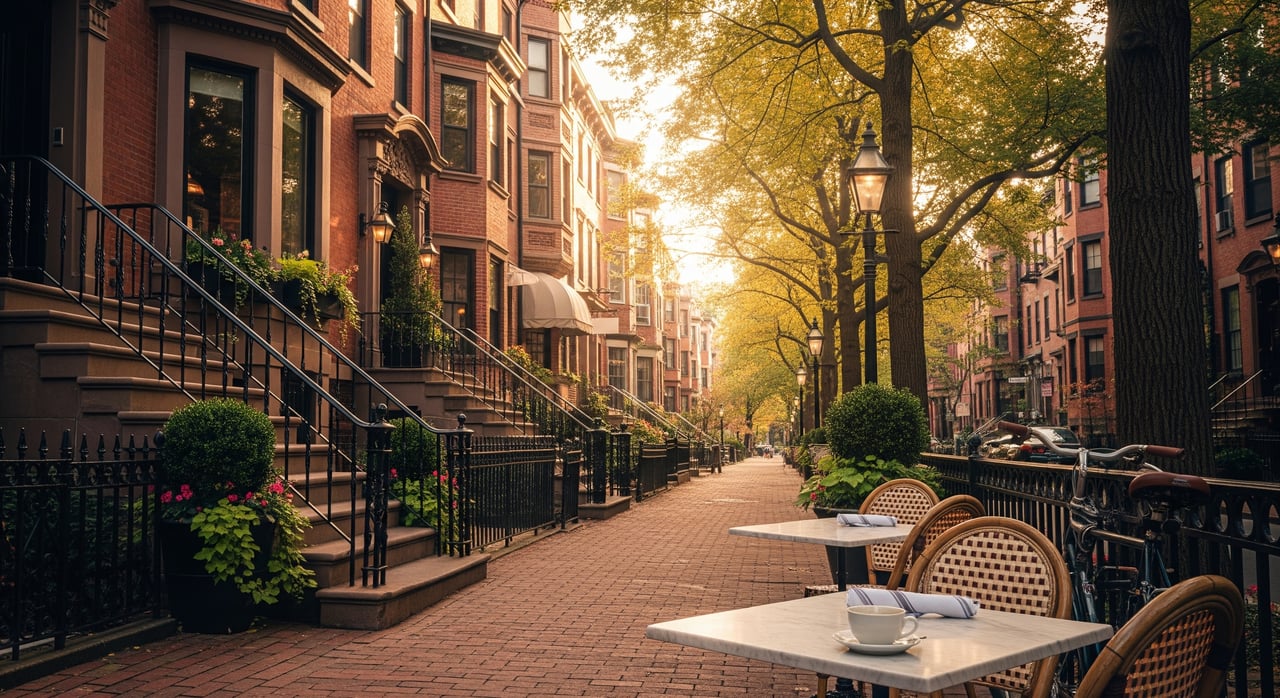
Back Bay represents Boston's pinnacle of luxury real estate, where historic brownstones and modern towers create one of the city's most competitive markets. Our comprehensive neighborhood guide breaks down current pricing, street-by-street insights, and the critical factors you need to know before buying or selling in this iconic district. Explore below to discover what makes Back Bay unique and how to navigate its complexities successfully.

Compass
126 Newbury Street
2nd Floor
Boston MA 02116
Colin Bayley