Looking for a Boston neighborhood that feels creative, walkable, and genuinely lived-in? SoWa offers a distinct slice of South End life where art studios, historic streets, neighborhood parks, and everyday dining all sit close together. If you are thinking about moving to the area or simply want a better sense of what daily life looks like, this guide will help you understand what makes SoWa stand out. Let’s dive in.
What SoWa Is Known For
SoWa is widely recognized as the South End’s arts-and-design district. In practical terms, that means your day-to-day surroundings can include galleries, artist studios, reclaimed industrial buildings, and a steady flow of local events centered around Harrison Avenue.
The broader South End adds another layer to that identity. Boston describes the neighborhood as a landmark district just south of Back Bay and downtown, known for Victorian brownstones, small parks, and a long-running restaurant and arts scene. That mix gives SoWa a creative energy that feels rooted rather than manufactured.
Where SoWa Sits in the South End
Location shapes lifestyle here. South End’s major corridors include Tremont Street, Columbus Avenue, Massachusetts Avenue, Washington Street, and Shawmut Avenue, and SoWa connects naturally to several of them.
That matters because daily errands and social plans often happen within a compact area. You are not choosing between art, dining, and outdoor time on separate parts of the map. In SoWa, those pieces of neighborhood life tend to overlap.
Daily Life Feels Walkable
One of the clearest advantages of living around SoWa is how easy it is to move through the neighborhood on short trips. The South End was laid out with a regular street grid in the mid-1800s, and that pattern still supports a walkable rhythm today.
Instead of planning your whole day around driving from one destination to another, you can often step out for coffee, pass a small park, browse a gallery, and meet friends for dinner without leaving the neighborhood. That is a big part of SoWa’s appeal for buyers and renters who want an urban lifestyle with some breathing room.
Art and Design Shape the Area
Galleries Cluster Around Harrison Avenue
SoWa’s creative reputation is not just branding. The district is home to more than 20 galleries within a two-block radius, and the SoWa Artists Guild describes hundreds of studios and dozens of galleries centered around 450 Harrison Avenue.
For residents, that concentration changes the feel of the neighborhood. Even if you are not visiting galleries every week, the presence of working artists and design-focused businesses gives the area a distinct sense of place.
First Fridays Add a Local Rhythm
One of the best-known traditions in the district is First Fridays, when galleries and studios open to the public. Events like these help make the neighborhood feel active and accessible rather than closed off or purely commercial.
If you enjoy places with recurring local events, this is a meaningful lifestyle point. You have built-in opportunities to explore the area in a casual way and experience the creative side of the South End close to home.
Sunday Markets Are Part of the Routine
The SoWa Open Market is one of the area’s most recognizable weekly traditions. The current published schedule runs every Sunday from May 3 through November 15, 2026, from 11 a.m. to 5 p.m., bringing together artisans, craftspeople, designers, and local farmers.
For residents, the market adds more than activity. It creates a seasonal rhythm that can make Sundays feel social and local, with nearby shop owners also opening their doors. If you value neighborhoods with a strong weekend pulse, SoWa delivers that in a very visible way.
Dining Extends Beyond the Market
Food is another major part of life around SoWa. Boston identifies Tremont Street as Restaurant Row, and Shawmut Avenue is known for boutiques and restaurants, while Tremont and Washington Streets are lined with restaurants, bars, galleries, and shops.
The result is a neighborhood that stays active outside event hours. You can enjoy the market on Sunday, but the area still feels lively on an ordinary weeknight because dining and retail are built into the fabric of the South End.
Parks Are Woven Into Everyday Life
Small Green Spaces Matter Here
The South End includes nearly 30 parks, which is a notable feature for an urban neighborhood. Boston specifically points to Blackstone and Franklin Parks as classic open spaces, and the neighborhood’s network of pocket parks helps soften the streetscape.
This is one reason the South End often feels more balanced than people expect. Even in a dense part of Boston, outdoor time can fit naturally into your routine.
Peters Park and the Southwest Corridor Add Options
Peters Park, located at 230 Shawmut Street, is one of the neighborhood’s key local green spaces and offers recreational opportunities for residents. The Southwest Corridor Path adds another option, connecting green space and movement through the neighborhood.
For many residents, this means outdoor time does not need to be a special trip. You can move between neighborhood squares, parks, and walking paths while staying within the South End.
The Housing Mix Around SoWa
Historic Homes Define the Streetscape
Much of the South End is still defined by historic brick townhouses and Victorian brownstones. These buildings give the neighborhood its classic Boston character and create the architectural continuity many buyers are looking for.
For shoppers comparing South End homes, that continuity is a real factor. The streets often feel cohesive, with strong visual character from block to block.
Loft-Like and Modern Options Exist Too
SoWa also includes reclaimed industrial warehouse buildings, which help explain the loft-like feel found in parts of Harrison Avenue. Alongside that, newer development near the district, including areas like Ink Block, adds modern condo and mixed-use options to the neighborhood mix.
That gives buyers a wider range of choices than they might expect. Depending on your priorities, you may find historic rowhouse living, loft-style space, or a more contemporary condo setting within the same broader area.
Why Landmark Status Matters
The South End’s landmark district standards shape what buyers and owners should expect. New construction and exterior changes visible from public ways are reviewed for compatibility with the neighborhood’s historic character, including details like masonry, rooflines, and cornices.
In everyday terms, that means the neighborhood’s appearance is strongly preserved. If you are drawn to SoWa and the South End for their architectural identity, that framework helps protect the streetscape over time.
Who SoWa Often Appeals To
SoWa can appeal to a wide range of buyers and renters because it combines culture, convenience, and housing variety. The broader South End is home to a mix of residents, and Boston’s planning profile notes that about one in three residents speaks a language other than English at home.
From a lifestyle perspective, SoWa often resonates with people who want:
- A walkable neighborhood experience
- Easy access to dining and local shops
- Creative energy and recurring public events
- A mix of historic and modern housing options
- Outdoor spaces built into daily routines
What to Consider Before Moving
No neighborhood is one-size-fits-all, and SoWa is best understood through how you like to live. If you want a quieter residential setting with less weekend foot traffic, the area’s popularity and event schedule may be something to weigh.
On the other hand, if you enjoy being near galleries, markets, restaurants, and a strong street-level atmosphere, SoWa offers a version of Boston living that is hard to duplicate. The neighborhood’s appeal comes from how tightly those elements fit together.
Why SoWa Stands Out in Boston
Many Boston neighborhoods offer charm, dining, or convenience. SoWa stands out because it blends the South End’s historic framework with a concentrated arts-and-design identity and an easy everyday rhythm.
You get preserved architecture, active commercial corridors, weekly seasonal markets, and green spaces all within a compact area. For buyers, sellers, and renters trying to understand South End lifestyle, that combination is what makes SoWa feel so distinctive.
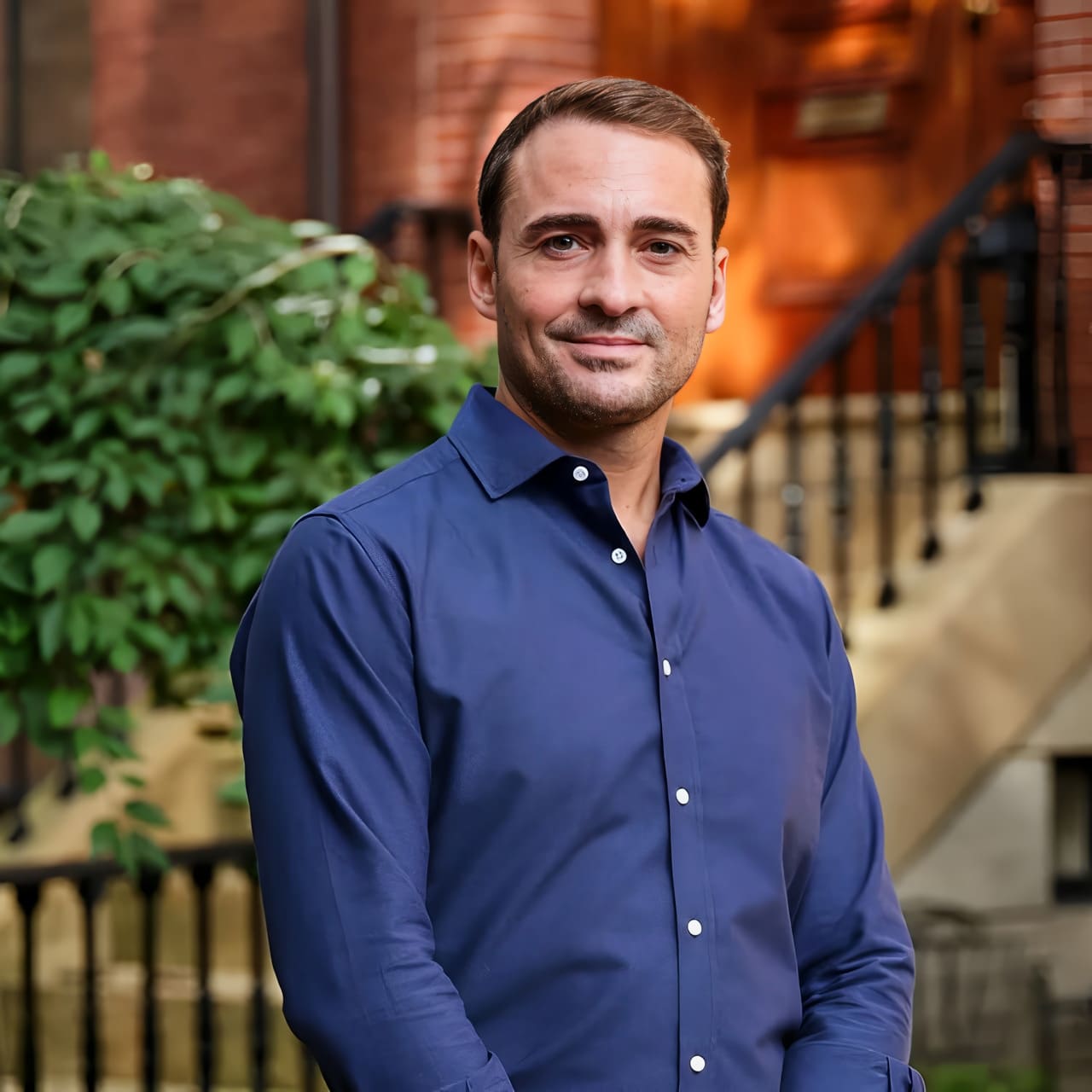
If you are considering a move in the South End, the right guidance can help you compare blocks, housing styles, and lifestyle fit with more confidence. To explore South End opportunities with a tailored, local approach, connect with Colin Bayley.
FAQs
What is SoWa in Boston’s South End known for?
- SoWa is known as the South End’s arts-and-design district, with galleries, artist studios, First Fridays, and the seasonal SoWa Open Market centered around Harrison Avenue.
What is daily life like around SoWa in the South End?
- Daily life around SoWa is shaped by short, walkable trips to galleries, restaurants, boutiques, parks, and neighborhood events within the South End’s historic street grid.
What types of homes are found near SoWa in Boston?
- Housing near SoWa includes historic brick townhouses, Victorian brownstones, loft-like spaces in reclaimed industrial buildings, and some newer condo and mixed-use options nearby.
Are there parks and outdoor spaces near SoWa?
- Yes. The South End has nearly 30 parks, and local options include Peters Park, Blackstone and Franklin Parks, and the Southwest Corridor Path.
Why does landmark district status matter in the South End?
- Landmark district standards help preserve the neighborhood’s historic character by reviewing visible exterior changes and new construction for compatibility with the existing streetscape.